


Champions League Final
The never disappoints in drama, history, and top-quality football. Whatever your role, whether a hardcore fan, a spectator, or a viewer watching the occasion, this year, it was all in the Champions League Final. The bet was also mammoth, with millions of viewers tuning in across the globe. Both teams have come into the game with the momentum, strategy, and the will to win the grand prize in club football in Europe of a complete season. The article goes straight to the heart of the most valuable lessons of the Champions League Final, and it is a complete analysis of the game. Much more than what the game involved, it involves an analysis of the game in its totality to the player, the manager, and the whole future of European football as a whole. We will exploit direct observation and tactical knowledge and history to dig up everything that made this final a memorable event in UEFA history.
The chess strategic match
One of the most striking characteristics of the Champions League Final was the confrontation of the strategies of two of the most respected European managers. The two teams were observed to have the capacities to alter formations and roles in a gameplay, as per the turns of a game. One team tried to disrupt rhythm at the start with high press, and another one turned to closing the defense and unexpected punches. The whole action was at the midfield, both teams attempting to dominate the field and manipulate the game with the possession and the passages. There was a clever application of in-game tactics in the final match—substitutions were not introduced to give the players some rest but to exploit the weak areas. The intelligent fouls shape, the shaping of forms, and the existence of overload at what time were good. It was a coaching move of excellent caliber wherein both teams had to genuinely apply their football IQ.
Wallflower Personal Genius and Great Game Character The attributes demanded in a wallflower are individual brilliance and big-game temperament.
The other great lesson of the Champions League Final was that it emphasized the success of a single accomplishment. Team performance is necessary, but so can brilliance to give you the advantage. The game had its moments of being defining moments: a slice of an inch-high cross, a tackle so smooth as to score a goal, or a world-class finish when one is on the score line and under pressure. There was also the emergence of some of the players who had not been displaying their skills in the previous matches and went on to perform in the spotlight. This performance in this high-stakes scenario tackles the psychological competence and big-game attitude that are required at this level. The Champions League Final reminded fans once again that when they have to perform, superstars show their worth their prices. Forward clutch action, hard defense, and a goalie who was exceptionally tall when necessity dictated it would all appear this night.
Officiating and VAR: A Humble yet Strong Force
Officiating in the Champions League Final was not to such a controversial extent as in the case of some of the earlier versions, but nevertheless, it played a major role. The application of VAR was with thoughtful considerations, though it was successful. An awesome appeal by Gabriel Jesus to find the net with what would have been the first goal fell on the wrong judgment because it was an offside, and a penalty request in the second half was ruled out. Viewers can be ambivalent toward VAR, but in the final its use was largely successful, and fundamental decisions did not drive over the game. He allowed the referee not to be center stage, and he controlled the game without drawing a lot of unwarranted attention, a positive point in a high-profile game. Sound decisions, discipline, and talking to the players ensured the game kept going and never really experienced any controversy except that the game was played in heavy rain.
Heritage Consecrated on Management
The experience of winning manager was a career-making moment that became a Champions League Final. Bringing a team to European success cannot be an easy job, especially against this well-concerted opponent. The manager was also like a genius on the tactical part of it, being relaxed and comfortable on the touchline, proving to be confident with his game and his players. He conducted himself like a professional in his press conference after the match and in an interview. The victory turns him into one of the glorious league of Champions League-winning managers and a major enhancement of his legacy. To the other coach, it is always bitter to lose, but being in the finals shows a lot of work done in the season. The fans and analysts as well know the way, albeit the destination could not be a glory.
Change of Exchange Markets and Green Films
The Champions League Final is a launchpad to talent, and this year was no exception. A crowd of new talents made the main stage to present themselves to the world. Their technical competence, calmness, and ability to make decisions in a high-pressure environment separated them. Transfer speculations are already thick in the air, with other European clubs looking on. The end did not only witness the crowning of the king but also dictated the position of the next transfer window. Tournaments of this intensity give scouts and the sporting directors the invaluable data of how the players can conduct themselves under the most intense competition. The Champions League Final remains persistent in advocating change to be reflected in the global football economy, displacing values and prior geographical football strategic focuses between leagues.
Fan reach and global reach
At a party with a game watching in Asia, at a pub in Europe, or at the watching of events in Africa and the Americas, the Champions League Final convinces more of the universality of football. On social media, the news could not stop buzzing hours before the kickoff, and the posts following the game were immense. The latter united the fans of all generations, cultures, and backgrounds. Even casual viewers at home followed suit, and it was an illustration of the popularity of the reach of the tournament. The selling of UEFA, with the crowd appeal of its players and the traditions of the clubs, created a feeling of unity in the world. The broadcast of the theme of the rivalries and the diegesis of redemption and underdog journeys enhanced emotional imports. It was not a mere final about football; it was the same human experience of feelings and emotions connected to love, tension, and celebration.
Emotional Arc and Trophy Lift
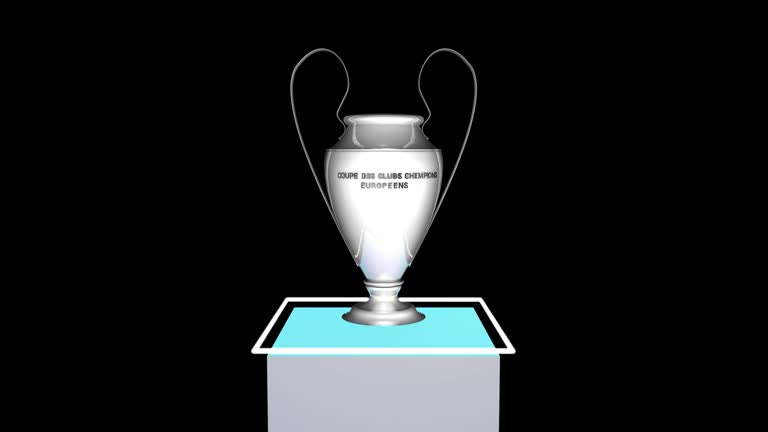
The trophy lift at the end never fails to be magical, no matter how many times you have watched it. The enthusiasm, satisfaction, and elation on the faces of the players telecast the emotional investments of the journey. Every goal was a story of training, training, injury rehabilitation, and numerous hours of preparation. The fans who stayed behind every match, from group stages to the final whistle, were finally compensated. The purpose of this competition is the confetti, the anthem, and the champion’s parade. The losers had heartbreak as well as the determination to fight back with even greater power.
What the Final Made Us Know about Modern Football
The Champions League Final had more to say about the future of elite football than headlines. Be it the system itself or the strategic fashion of the likes of inverted full-backs and permeable front lines or the increasing importance of data-driven decision-making, the game was a summary of how the game is evolving. Pace of fitness was excellent, pressure was constant, and use of the squads was critical. Not only skill, but also science, analytics, and mental conditioning were being tested. Clubs seeking to play in this capacity today must now invest more than talent; they must invest in infrastructure, culture, and long-term vision. In that Champions League Final, not any less, as far as today, about the future.

Close: A Concluding Worth Reporting
The Champions League Final delivered a masterpiece in the wonderful stadium of European football. There was strategy, heroism, heartwarming and tense moments; the night supplied everything the fans could desire. History was there for the winners. The losers have nothing better to get motivated. And to the wider footballing community, it was a reminder of why this tournament holds such a god-like position within the game. The dust is just settling, and the analysis will start, and the clubs will be preparing to go back to the next season, but what will be remembered, not in a 90-minute writ, but on a worldwide level, is this final, its teachings, and its legacy. The Champions League Final was not just only a match. It used to be a saying.
FAQs
Who was in the Champions League Final this year?
The tactical ability and the ability to handle pressure by the team that won went on the books and earned the team the trophy due to their showdown performance.
What is the Champions League Final’s future club strategy implication?
This can influence transfer priorities, choices made by managers, and strategic changes as clubs perceive what has taken them to the top.